







Our Services

Clinic Name > Our Services

Services We Provide

A comprehensive oral examination for patients is a thorough examination of the patient’s oral health. The examination typically includes:
Oral prophylaxis, also known as a dental cleaning, is a routine procedure performed by a dental hygienist to remove plaque, tartar, and stains from the teeth. The process typically includes the following steps:

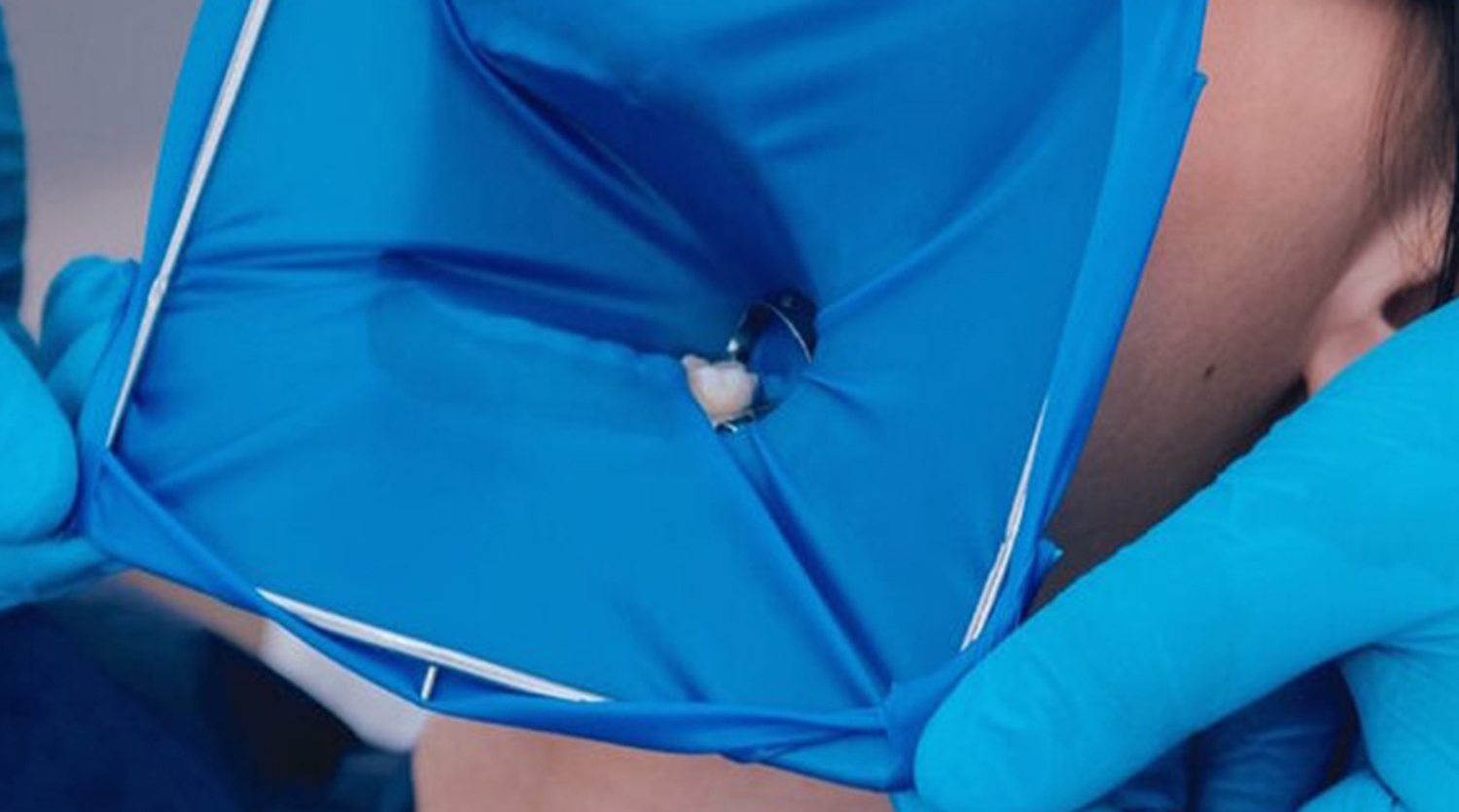
A root canal is a dental procedure in which the infected or damaged pulp (the soft tissue inside the tooth that contains nerves and blood vessels) is removed and the inside of the tooth is cleaned and sealed. The procedure is typically done to save a damaged or infected tooth that would otherwise need to be extracted.

The process of a root canal typically involves the following steps:

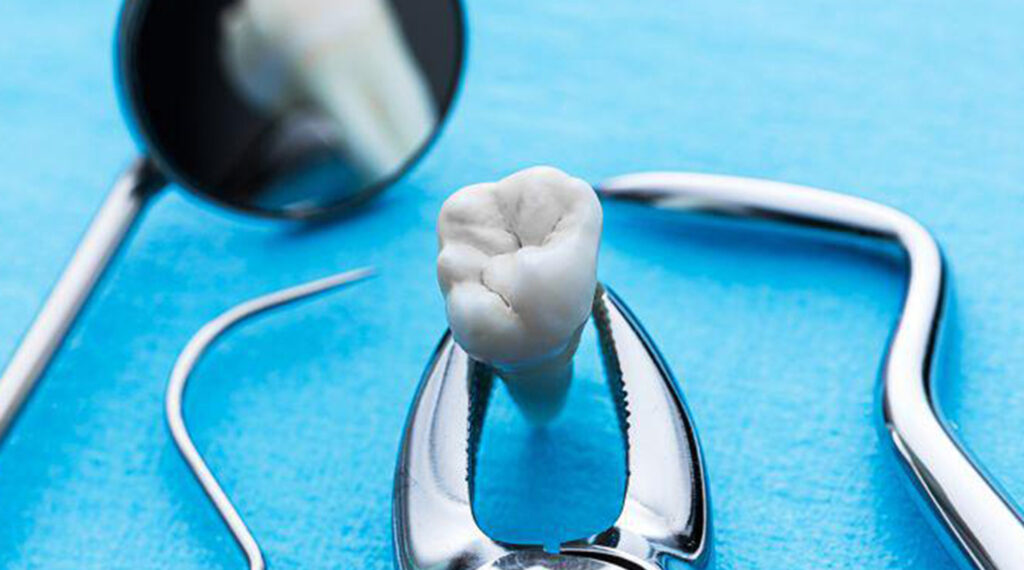
Tooth extraction is a dental procedure in which a tooth is removed from the jawbone. The procedure is typically done when a tooth is damaged or decayed beyond repair, when there is not enough room in the mouth for all the teeth, or when a tooth is impacted (stuck in the jawbone and unable to fully erupt into the mouth).

The process of tooth extraction typically involves the following steps:

 The process of cosmetic dentistry can include a variety of treatments such as teeth whitening, veneers, bonding, and orthodontics. A consultation with a cosmetic dentist is usually the first step in the process. During the consultation, the dentist will examine the patient’s teeth and discuss their goals and concerns. The dentist will then recommend a treatment plan tailored to the patient’s specific needs. The patient will be informed of the risks, benefits, and costs of the treatment before proceeding. After the treatment, the patient will need to follow proper oral care and maintenance to ensure the longevity of the result.

In addition to the treatments mentioned earlier, cosmetic dentistry can also include:

Dental implants are a popular option in cosmetic dentistry for replacing missing teeth. They are small titanium posts that are surgically placed into the jawbone to replace the roots of missing teeth. The implant acts as a support for a replacement tooth, such as a crown, bridge, or denture.

The process of getting dental implants typically involves the following steps:

Crowns, bridges, full and partial dentures are different types of dental prosthetics used to replace missing teeth or to repair damaged teeth.

A crown is a cap that covers the entire visible portion of a tooth, restoring its shape, size, strength, and appearance.

A bridge is a device that replaces one or more missing teeth by anchoring artificial teeth to the natural teeth or dental implants on either side of the gap.

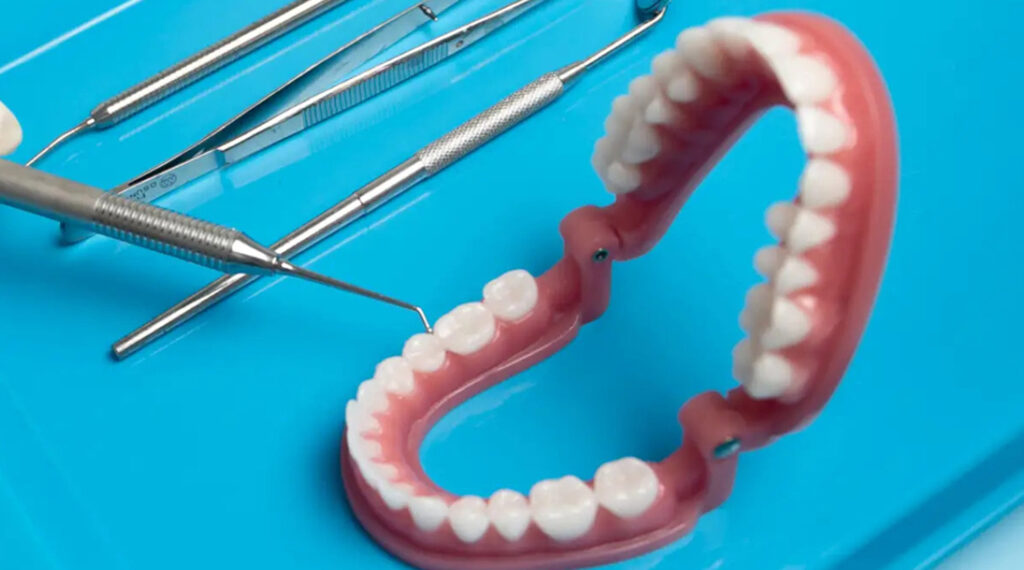
A full denture is a removable appliance that replaces all the teeth in an arch (upper or lower jaw).

A partial denture is a removable appliance that replaces one or more missing teeth in an arch, but not all of them. It attaches to the remaining natural teeth with clasps or precision attachments.

The process of getting crowns, bridges, full dentures, and partial dentures typically involves several steps, including consultation, preparation, impression, fabrication, and fitting.

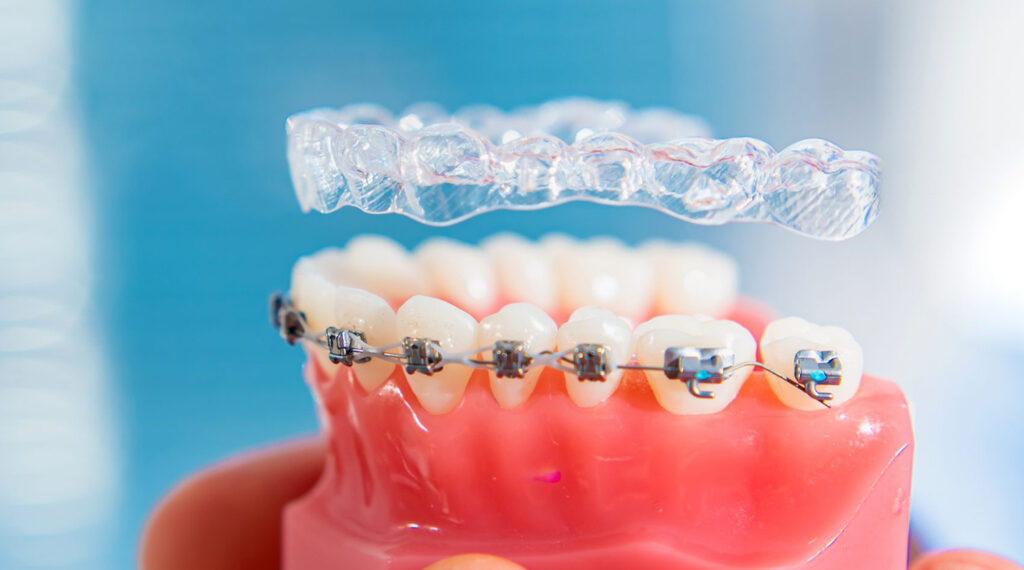
Orthodontics is a branch of dentistry that focuses on the diagnosis, prevention, and treatment of dental and facial irregularities. The most common treatment provided by orthodontists is the use of braces, which are devices that apply gentle pressure to the teeth to move them into proper alignment. The goal of orthodontic treatment is to improve the patient’s bite and create a straight, healthy, and attractive smile.

The process of orthodontic treatment typically involves several steps:

Oral appliances refer to devices that are worn in the mouth to treat various dental and medical conditions. They are custom-made to fit the patient’s mouth and can be used to treat a variety of issues such as snoring, sleep apnea, bruxism (teeth grinding), TMJ (temporomandibular joint) disorders and more.

The process of getting an oral appliance typically involves the following steps:

Preventive care in dentistry refers to the measures taken to prevent the development of dental problems and to maintain good oral health. It includes regular check-ups, cleanings, and the use of fluoride and other preventive treatments. The goal of preventive care is to detect and treat problems in the early stages, before they become more serious and more difficult to treat.

The process of preventive care typically involves the following steps:

Nitrous oxide sedation, also known as “laughing gas,” is a form of conscious sedation that is commonly used in dentistry to help patients relax during procedures. It is a safe and effective way to reduce anxiety, discomfort, and pain during dental procedures.

The process of using nitrous oxide sedation typically involves the following steps:

Comprehensive Oral Examination

A comprehensive oral examination for patients is a thorough examination of the patient’s oral health.
Oral Prophylaxis

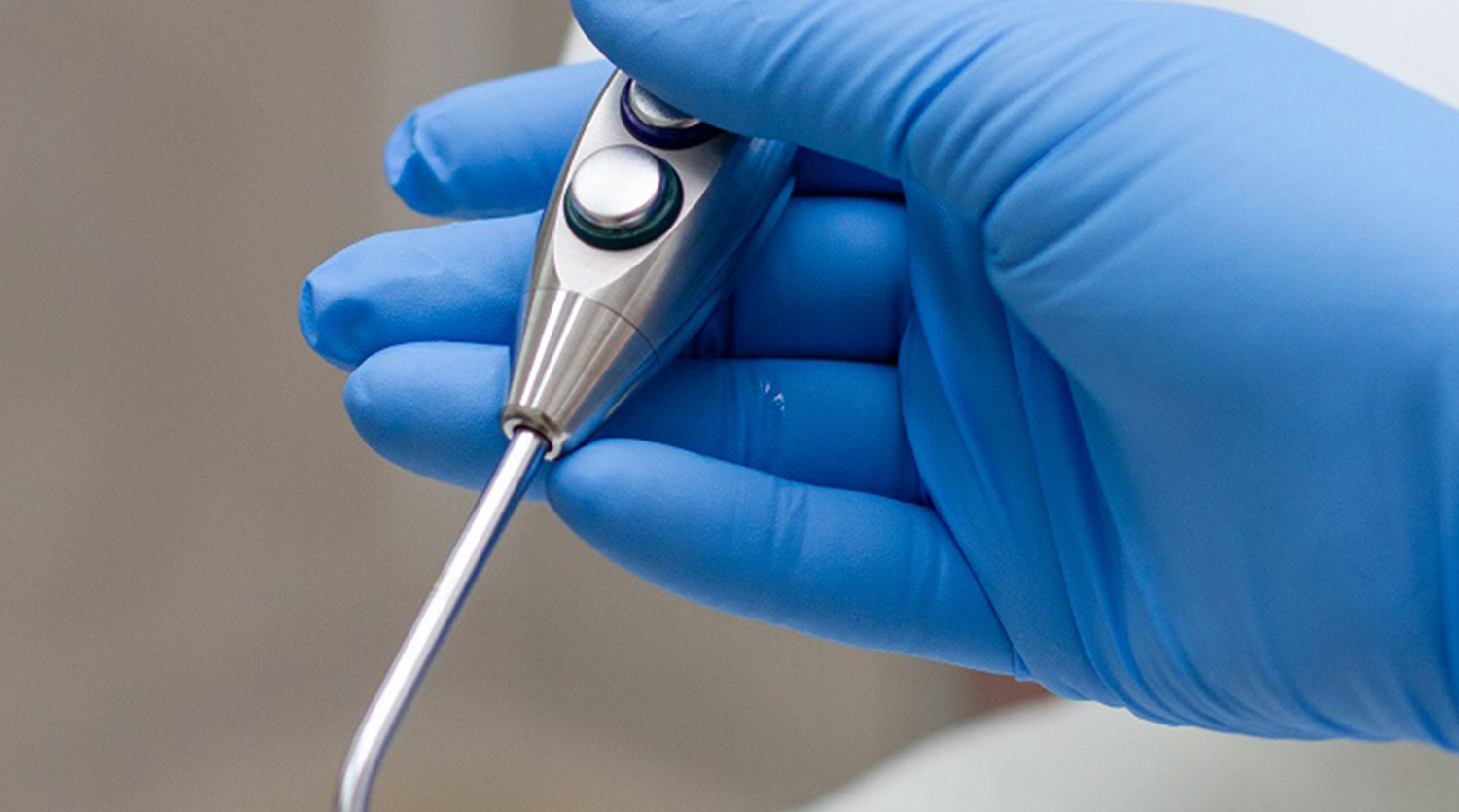
Oral prophylaxis, also known as a dental cleaning, is a routine procedure performed by a dental hygienist to remove plaque, tartar, and stains from the teeth.
Tooth Extraction

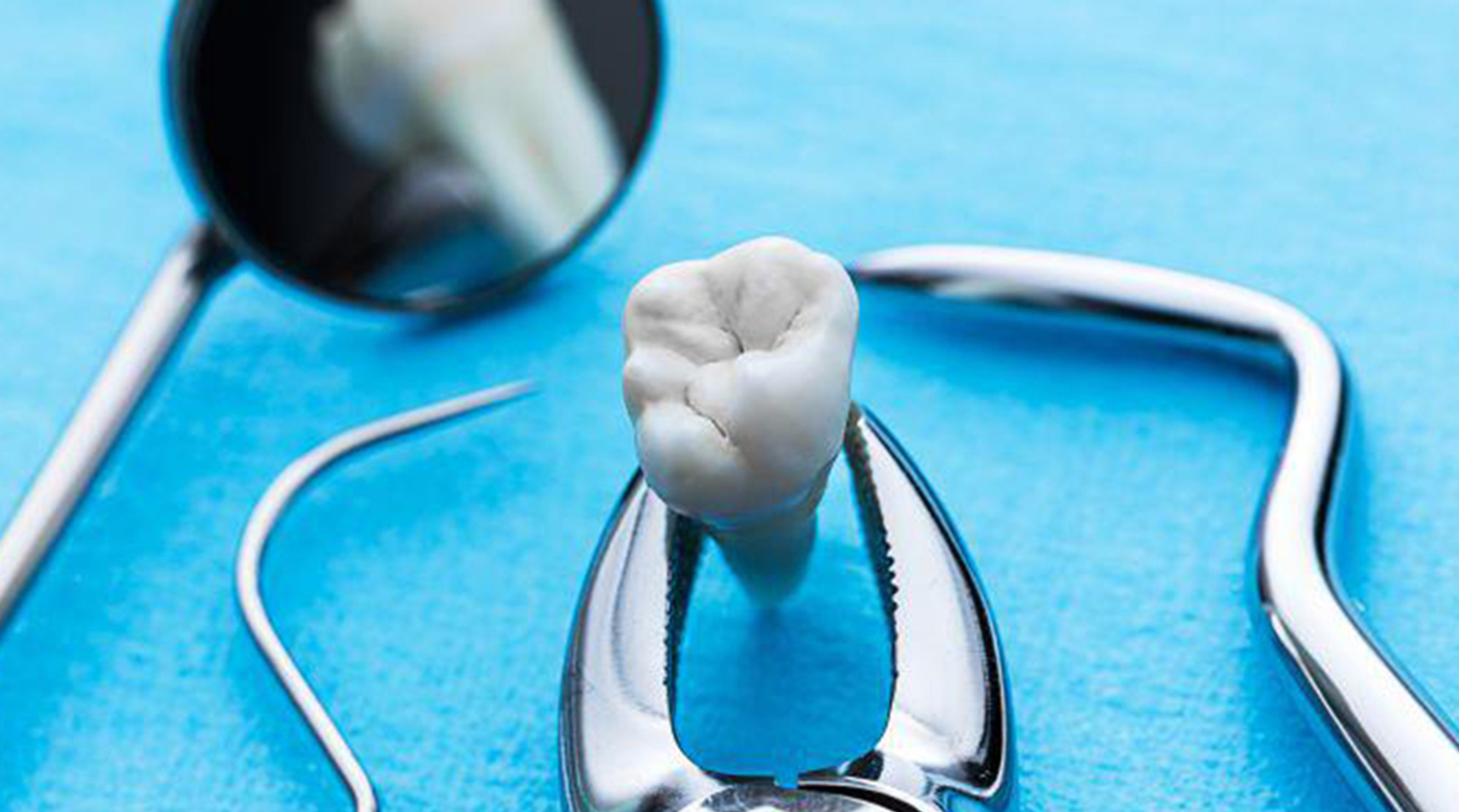
Tooth extraction is a dental procedure in which a tooth is removed from the jawbone. The procedure is typically done when a tooth is damaged or decayed beyond repair, when there is not enough room in the mouth for all the teeth, or when a tooth is impacted
Root Canal

Lorem ipsum dolor sit amet, consectetur adipiscing elit. Ut elit tellus, luctus nec ullamcorper mattis, pulvinar dapibus leo.
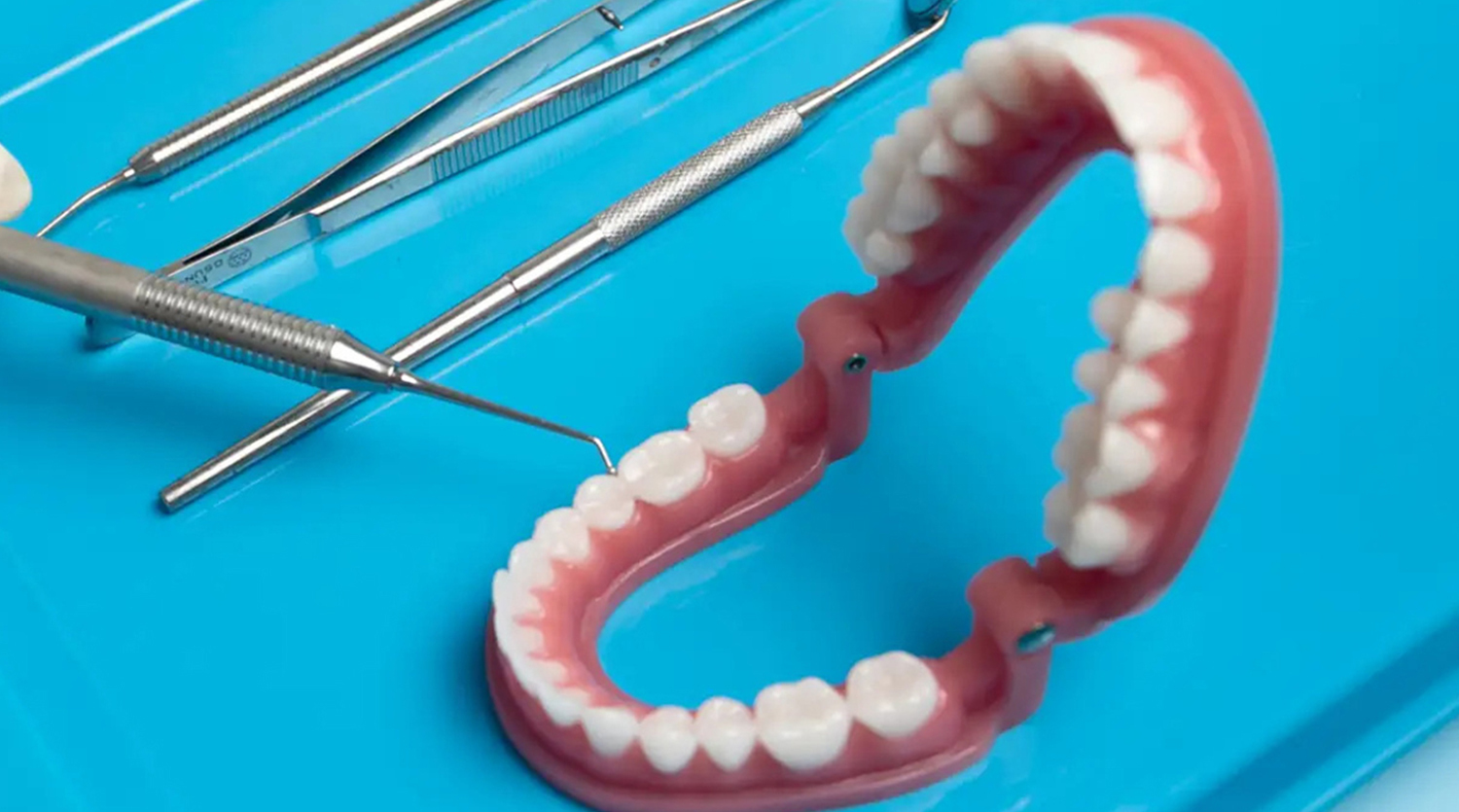
Cosmetic Dentistry

The process of cosmetic dentistry can include a variety of treatments such as teeth whitening, veneers, bonding, and orthodontics. A consultation with a cosmetic dentist is usually the first step in the process.

Dental Implants

Dental implants are a popular option in cosmetic dentistry for replacing missing teeth. They are small titanium posts that are surgically placed into the jawbone to replace the roots of missing teeth. The implant acts as a support for a replacement tooth, such as a crown, bridge, or denture.
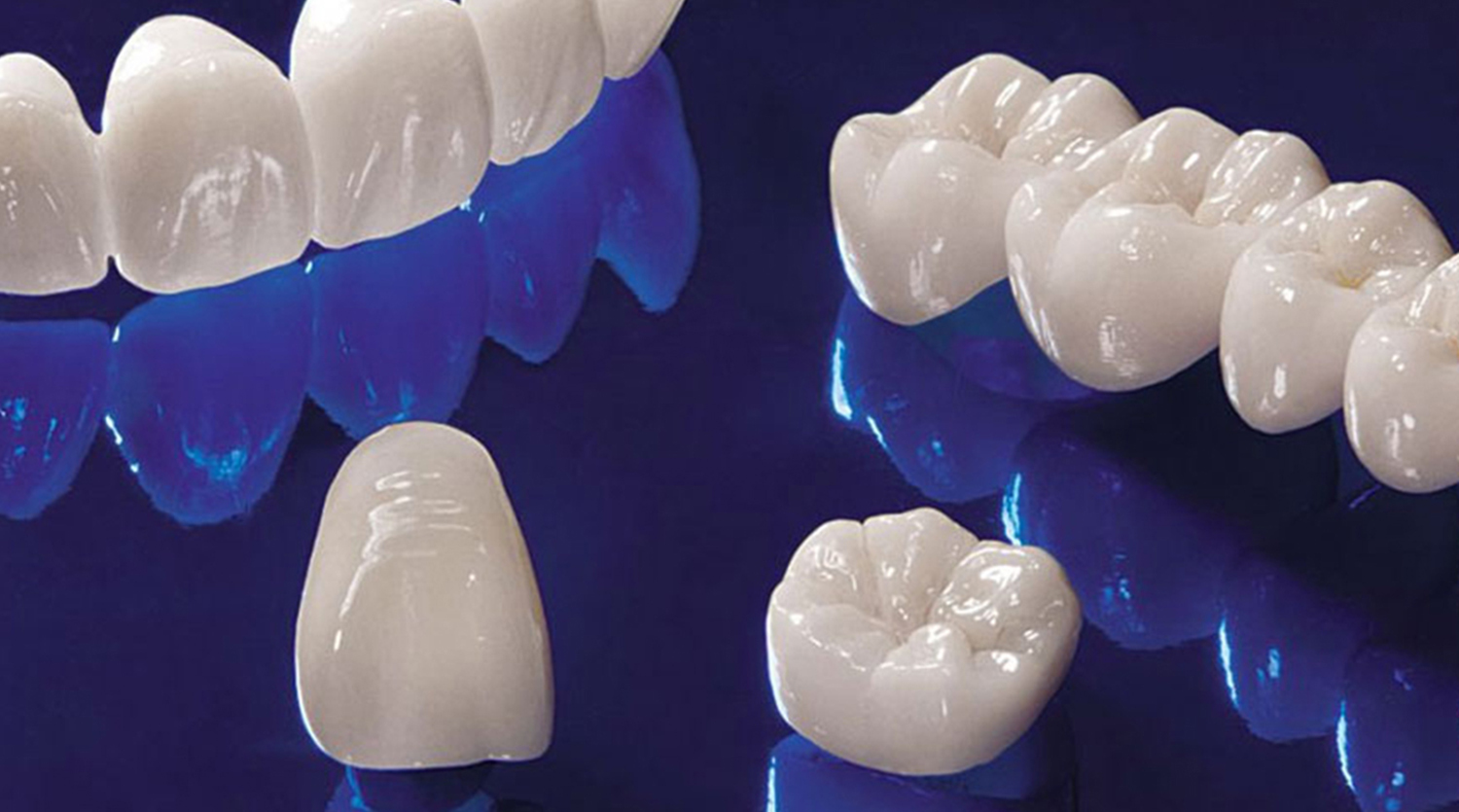
Crowns & Bridges

Crowns, bridges, full and partial dentures are different types of dental prosthetics used to replace missing teeth or to repair damaged teeth.
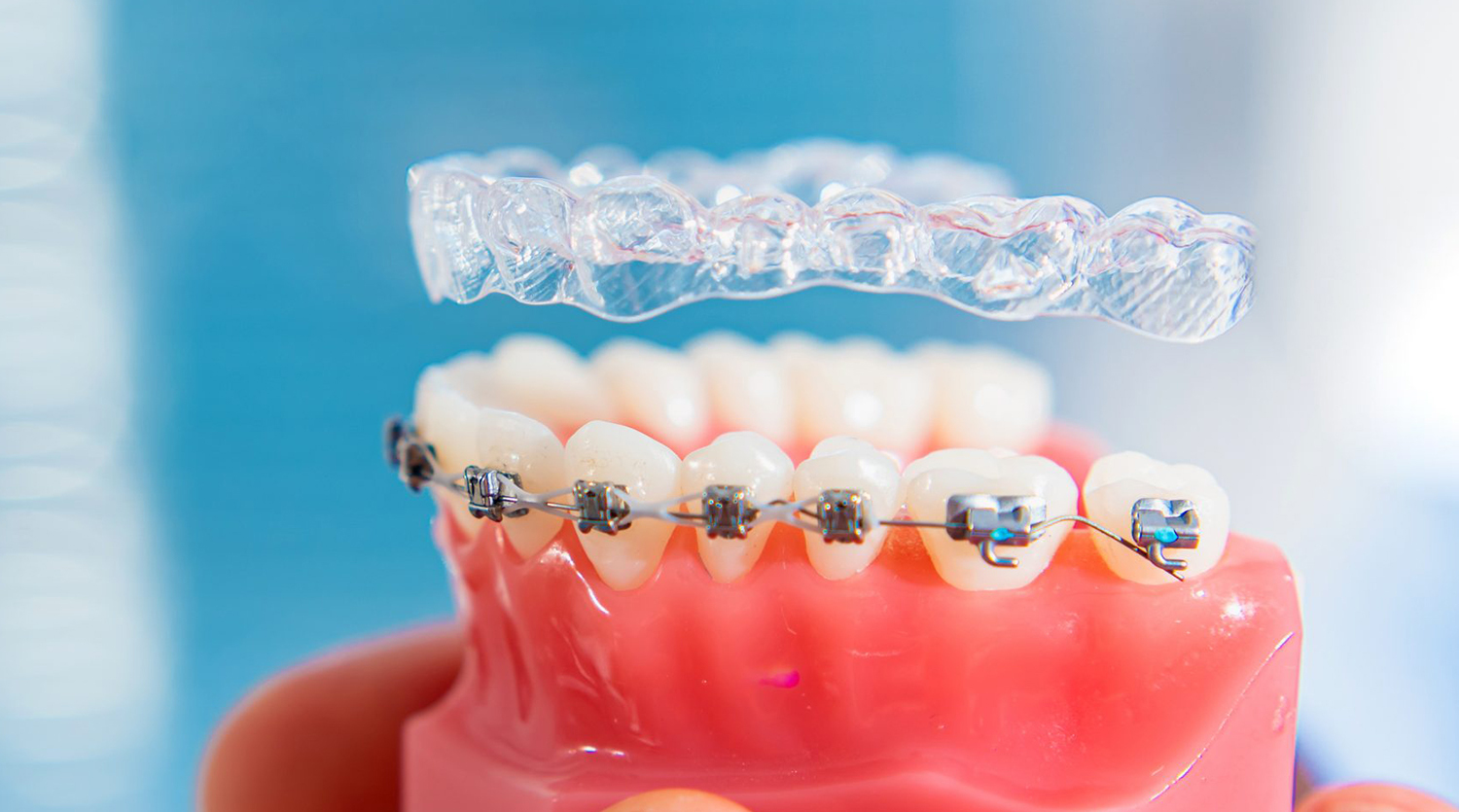
Orthodontics

Orthodontics is a branch of dentistry that focuses on the diagnosis, prevention, and treatment of dental and facial irregularities. The most common treatment provided by orthodontists is the use of braces, which are devices that apply gentle pressure to the teeth to move them into proper alignment.

Oral Appliances

Oral appliances refer to devices that are worn in the mouth to treat various dental and medical conditions. They are custom-made to fit the patient’s mouth and can be used to treat a variety of issues such as snoring, sleep apnea, bruxism (teeth grinding), TMJ (temporomandibular joint) disorders and more.

CHOOSE CONFIDENTLY

At our dental office, we are proud to be in-network with a wide range of dental insurance providers. We understand that the cost of dental care can be a concern for many of our patients, and we strive to make high-quality dental services accessible and affordable for everyone.

Oncology
0%
Gynecology
0%
Rehabilitation
0%
Services
0%

TRUSTED DOCTORS

A Great Place to Work. A Great Place to Receive Care. Leading Medicine.

Our doctors have undergone extensive training and education in the field of dentistry, and they are committed to staying up-to-date with the latest advancements in dental technology and techniques. They are also licensed and certified by the appropriate governing bodies to practice dentistry in our state.

We are here for you

Book Appointment